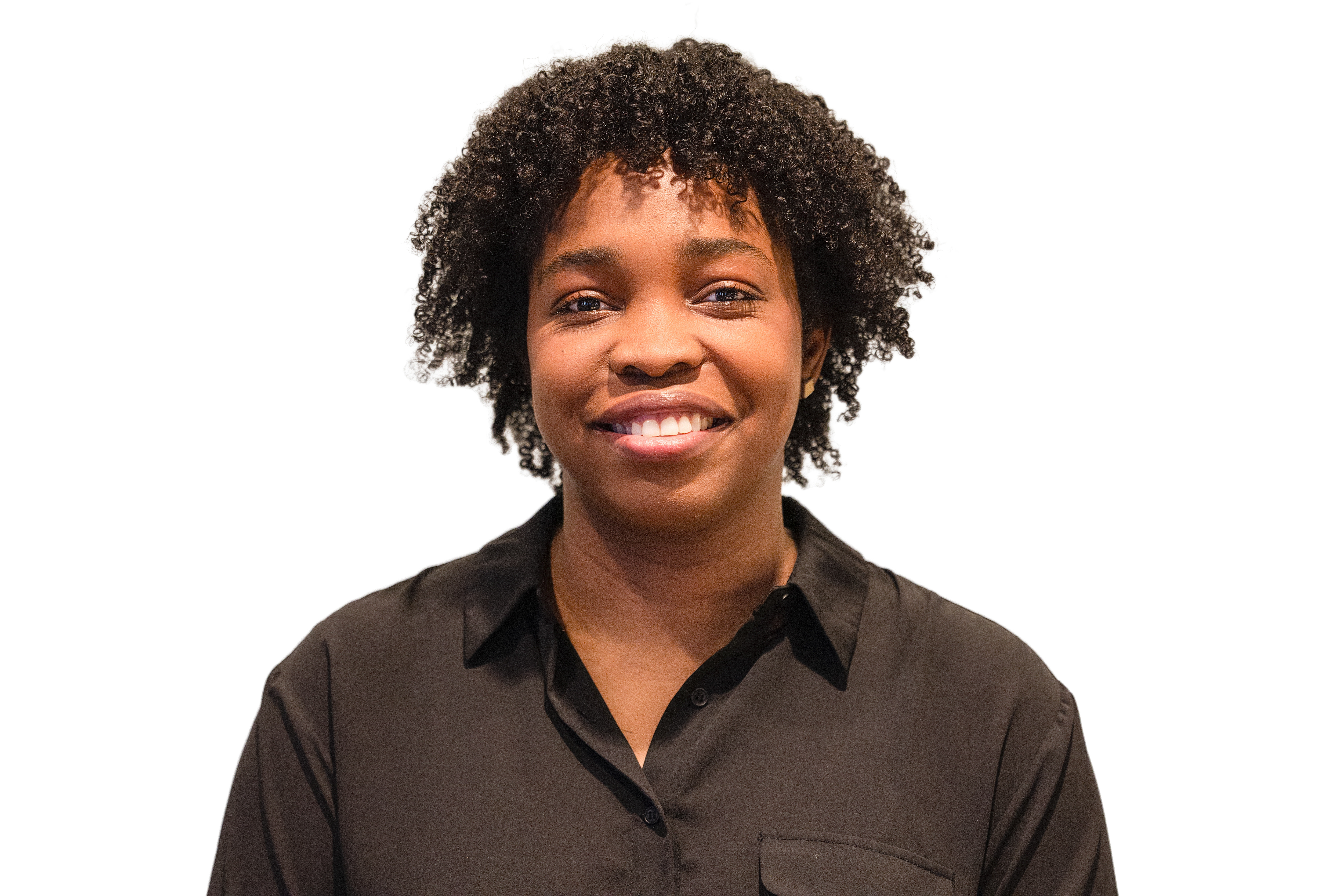
I didn’t set out to become part of the school choice movement. I was a teacher and a parent who was simply trying to find a place where my own children could thrive.
At the time, we were living in a state without Education Savings Accounts, and while there were private schools, the tuition was more than we could afford. I remember thinking, “There have to be more options than this”. I needed something smaller, more flexible, and more personal for my children, but the traditional and private school system didn’t quite fit, and financially, many of the options were out of reach.
So, I did something I never planned on doing. I started a microschool called The Learning Outpost. It was designed for homeschooling families who wanted a small, hands-on learning environment for their children. We kept it small on purpose. In a small environment, you really know your students. You know who is struggling, who is bored, who needs more time, and who is ready to move ahead. You can actually teach the child in front of you instead of teaching to the middle.
What I saw in that microschool changed how I think about education. I watched kids who had struggled in traditional schools start to feel successful again. I watched shy kids find their voices. I watched kids move at their own pace without being labeled as ahead or behind. I also watched parents realize that their child wasn’t the problem. The environment just wasn’t the right fit.
But I also saw something else. Many families didn’t know these kinds of options existed. Other families knew about them but couldn’t afford them without scholarships or education savings accounts. That’s when I realized school choice isn’t just about having different types of schools. It’s about whether families actually have access to them.
That realization led me to start my podcast, Founder 2 Founder, and later The Education and Policy Exchange. I began interviewing microschool founders and talking with parents and policymakers across different states to understand what was happening on the ground. I kept hearing the same thing over and over again. When families had access to options, they could find a place where their child could thrive. When they didn’t have access, they were often stuck in a situation that wasn’t working, even if better options existed.
School choice matters because one size does not fit all. Some students thrive in traditional public schools. Others need something smaller, more flexible, or more personalized. The goal should not be to prove one type of school is better than another. The goal should be to make sure every family can find the environment where their child can thrive.
Today, my work focuses on helping families understand their options, helping educators create new learning environments, and helping connect the stories of families and founders to the policy conversations that shape what is possible. I believe the future of education will include many different types of learning environments, and school choice is what makes that future possible for families.
Every child deserves to be known, challenged, and supported. School choice helps make that possible.