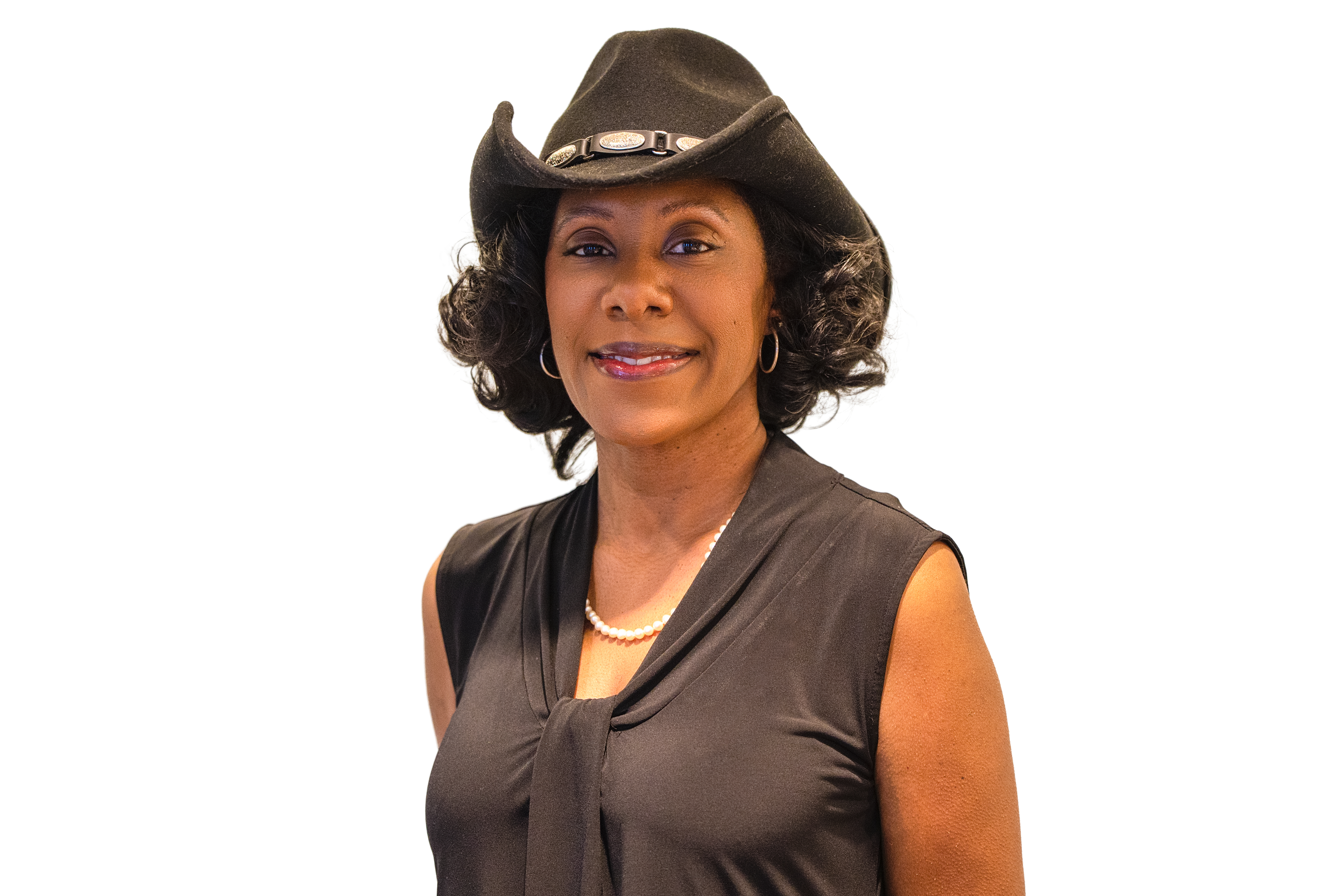
I didn’t mean to become a school choice advocate. I just wanted to be a mom who found a place where my youngest child could thrive.
When my son was little, people kept telling me he was “too much” and “too advanced” all at the same time. In classrooms built for the mythical “average” child, he was either bored or misunderstood, and my happy, precocious baby was becoming withdrawn and anxious. The public school he attended was the textbook version of perfect, and it was the right fit for both me and my two oldest sons, but it wasn’t perfect for him. I knew that something had to change, and quickly, or the kid who loved to learn would grow to hate learning instead.
Homeschooling started as a desperate experiment by concerned and unprepared parents. I remember sitting at my kitchen table during COVID, scrolling for resources and community, and finding very few families who looked like ours or talked openly about gifted and neurodiverse learners. Those circles were often closed to outsiders, and conversations revolved around Mensa admission and how to force young kids to study for IQ exams. If I couldn’t find a space where we fit, I decided I would create one—not just for my child, but for every parent quietly wondering if they were allowed to want something different. That’s how @Mamasweetbaby was born, a small corner of the internet where I could say, “You are not alone, and your child is not ‘too much.’”
As I shared our days—the messy ones and the magical ones—parents began to write to me. They weren’t all homeschoolers. Some had children in public or private schools, some were considering virtual options, some had never heard the term “school choice” but were already living it in their hearts. They weren’t asking for perfection; they were asking for permission. Could they leave a school that was harming their child’s spirit? Could they trust their instincts? Could they build something new?
Answering those messages is how I became an advocate. I realized that my story was not just personal; it was political in the most human way. When doors were closed to my child, it wasn’t because he wasn’t capable. It was because systems weren’t designed with him in mind. I couldn’t accept that the quality of a child’s education should depend on their ZIP code, their learning profile, or whether their parents knew the right words to say in a meeting.
School choice, for me, is not about winning an argument. It is about widening the path. Homeschool, microschools, charters, private schools, innovative public options—these are not threats to each other; they are lifelines for different kinds of kids. I’ve seen what happens when a parent finally finds a setting that fits: the shoulders drop, the spark returns, the child who “hated school” starts to love learning again. That transformation is why I speak, write, and show up, even on the days when my own life feels heavy.
In recent years, advocacy has taken me far beyond my kitchen table—from Alabama to international stages where I’ve shared our homeschooling story with educators and policymakers from around the world. I am still that mom who just wants her child to flourish, but now I carry the stories of countless other families with me. When I stand at a podium or log into a panel, I picture them—the parents who stayed up late searching, the kids who were told to sit down and be less—and I remember why I started.
I didn’t choose this path because it was easy. I chose it because stopping is not an option when you’ve seen what is possible for a child who is finally seen. That is why I am a school choice advocate, and why I will keep telling our story until every family feels empowered to write their own.